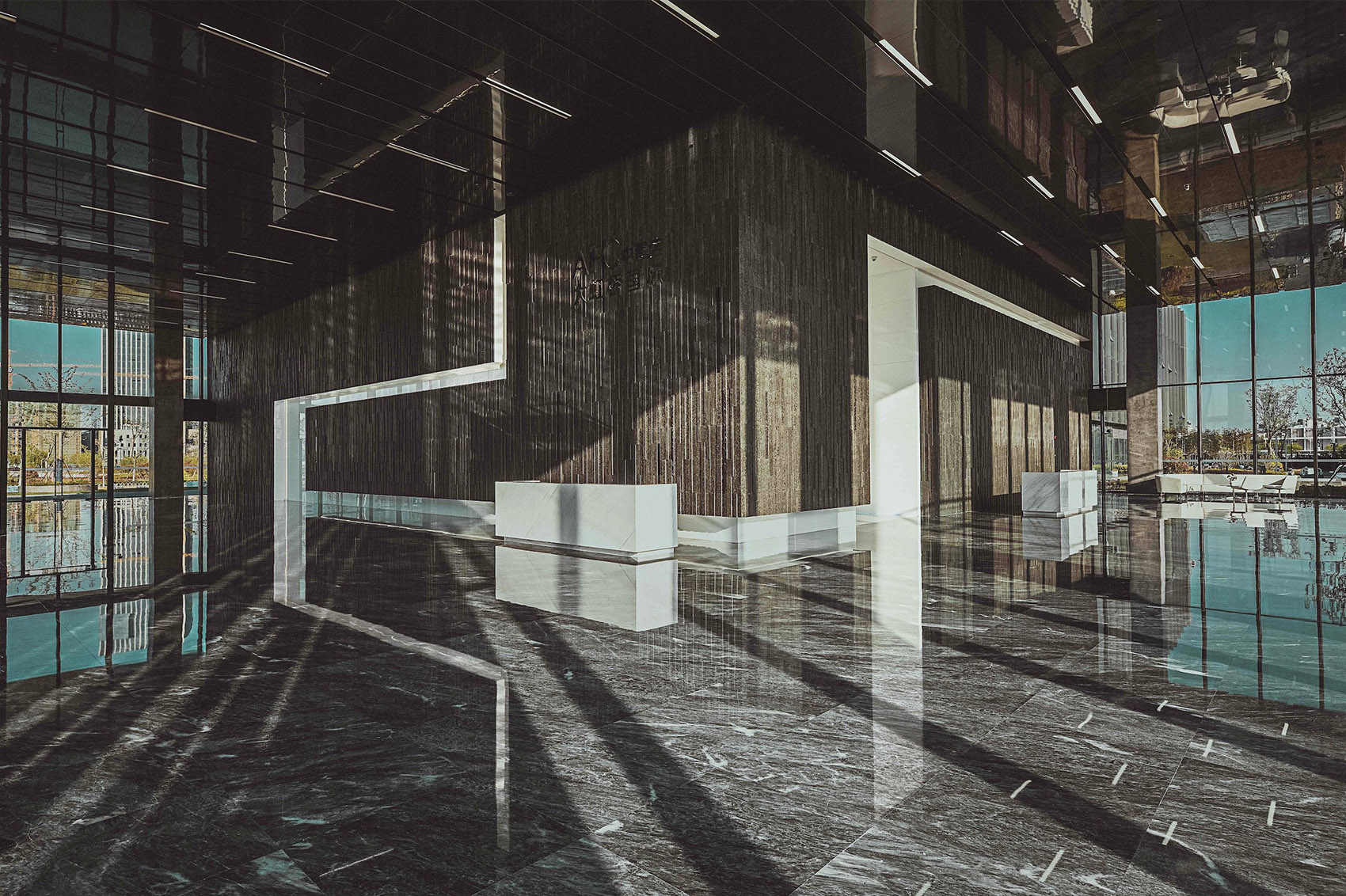
interior Design Jakarta | From Destinations to Living Environments
Hospitality is no longer defined by temporary stays alone. Interior Design Jakarta
In 2026, the way people travel, work, socialize, and live has fundamentally changed. Hotels are becoming coworking lounges, cafés are evolving into community hubs, and mixed-use developments now blend hospitality, wellness, residential comfort, and lifestyle experiences into one seamless ecosystem.
Today’s guests no longer seek accommodation alone—they seek belonging.
This transformation is reshaping the future of interior Design Jakarta, where hospitality spaces are evolving beyond destinations into living environments: immersive, emotionally engaging places that support work, rest, social connection, and personal wellbeing all at once.
As a hospitality-focused design practice with multidisciplinary experience across hospitality, residential, retail, and workplace sectors, our firm understands that the boundaries between these environments are becoming increasingly fluid. In Jakarta—particularly across districts like SCBD, Mega Kuningan, Sudirman, and Senopati—this evolution is already visible through lifestyle hotels, hybrid social spaces, and wellness-oriented hospitality concepts emerging throughout the city.
The Shift from Destination to Living Environment
Traditional hospitality was designed around short-term occupancy.
Modern hospitality is designed around experience and lifestyle.
Hotels today function as:
- Social gathering spaces
- Flexible coworking environments
- Wellness retreats
- Cultural hubs
- Lifestyle destinations
Especially in Jakarta, where business travel increasingly overlaps with leisure and hybrid work culture, hospitality environments must feel more adaptable and human-centered than ever before.
Guests now expect:
- Comfortable spaces to work remotely
- Social areas that feel informal and welcoming
- Wellness-driven environments that encourage restoration
- Spaces that support longer, more flexible stays
This shift transforms hospitality from transactional accommodation into something far more immersive—tempat yang terasa hidup (spaces that feel alive).
Hospitality Design in the Experience Economy
Luxury today is no longer measured purely through visual grandeur.
The modern guest values:
- Emotional connection
- Authenticity
- Personalization
- Sensory experience
- Meaningful interaction
This is the foundation of the experience economy.
In interior Design Jakarta, hospitality environments are increasingly defined not by ornamentation, but by atmosphere. Guests remember how a space made them feel:
- The warmth of lighting after a long journey
- The calm acoustics of a lounge
- The tactile richness of natural materials
- The openness of indoor-outdoor transitions
Design now prioritizes emotional resonance over visual excess.
Especially within Jakarta’s growing lifestyle hospitality sector, hotels and hospitality spaces are becoming carefully curated emotional experiences rather than purely luxury products.
The Blurring of Hospitality, Residential & Workplace Design
One of the most significant shifts shaping hospitality today is the merging of typologies.
Hospitality environments increasingly borrow from:
- Residential warmth and intimacy
- Workplace flexibility and functionality
- Retail-driven experiential design
At the same time, offices and residences increasingly adopt hospitality-inspired principles.
This convergence is reshaping:
- Branded residences
- Lifestyle hotels
- Flexible coworking hospitality hubs
- Mixed-use developments
- Long-stay urban hospitality concepts
In Jakarta, this is especially visible in integrated developments around SCBD and Sudirman, where hospitality, office, retail, and residential experiences coexist within the same ecosystem.
The future of interior Design Jakarta lies not in rigid categories, but in hybrid environments designed around real human behavior.
Designing for Wellness & Human Connection
Wellbeing has become one of the defining priorities in hospitality design.
Today’s hospitality environments must support:
- Mental restoration
- Emotional comfort
- Social connection
- Sensory calm
Design strategies increasingly focus on:
- Biophilic integration and greenery
- Natural daylight optimization
- Warm tactile materials
- Acoustic comfort
- Wellness-focused spatial planning
In a dense urban city like Jakarta, where pace and pressure are constant, hospitality spaces often become places of emotional recovery.
Ruang yang menenangkan menjadi sebuah kebutuhan—spaces that calm us are no longer a luxury; they are a necessity.
This is why wellness-driven hospitality design is becoming central to modern interior Design Jakarta.
Technology & the Future Guest Experience
Technology is also reshaping hospitality expectations.
Guests increasingly expect:
- Seamless digital check-ins
- Smart room personalization
- AI-driven service integration
- Flexible digital work environments
- Frictionless hospitality experiences
However, technology alone does not create meaningful hospitality.
The challenge is balancing innovation with warmth.
At our firm, we believe technology should quietly support experience rather than dominate it. Smart systems must feel intuitive, not cold. Digital integration should enhance comfort while preserving emotional connection and human interaction.
The future of hospitality is both high-tech and deeply human.
Designing Hospitality Spaces in Jakarta
Jakarta presents a unique hospitality landscape shaped by:
- Rapid urban development
- Growing mixed-use projects
- Strong business travel demand
- Expanding lifestyle hospitality culture
- Tropical climate conditions
These factors influence hospitality design strategies in several ways:
Tropical Responsiveness
Natural ventilation, shaded transitions, greenery, and indoor-outdoor flow remain essential.
Multifunctional Planning
Spaces must support work, leisure, dining, and social interaction fluidly throughout the day.
Urban Density
Efficient circulation and layered zoning are critical within compact city footprints.
Lifestyle Activation
Hospitality spaces increasingly function as social destinations for both travelers and locals.
This evolution is shaping a distinctly modern identity for interior Design Jakarta—one that combines tropical softness with metropolitan sophistication.
Our Hospitality Design Approach
Our firm approaches hospitality projects through a holistic, experience-driven methodology:
1. Concept Strategy
Defining the emotional identity and lifestyle positioning of the project.
2. Guest Journey Mapping
Understanding movement, interaction, and emotional pacing.
3. Spatial Planning
Balancing operational functionality with immersive experience.
4. Material & Lighting Curation
Shaping atmosphere through texture, warmth, and sensory layering.
5. Operational Understanding
Aligning hospitality design with real-world efficiency and usability.
6. Execution & Refinement
Ensuring design vision is carried through with precision and consistency.
Every decision is made through the lens of human experience.
Our Perspective
At our firm, we believe hospitality design is entering a new era.
The future is no longer about creating places people visit temporarily. It is about creating environments people emotionally connect with—spaces where work, rest, social interaction, and wellbeing coexist naturally.
This is what defines our vision for interior Design Jakarta:
timeless hospitality environments where atmosphere, functionality, emotion, and cultural relevance exist in harmony.
Because ultimately, the most successful hospitality spaces are not remembered simply for how they looked—but for how they made people feel.
Connect with us in


