Articles

Interior Design Jakarta Creating Memorable Guest Spaces

Jakarta Interior Design: How Mirrors Can Transform Hospitality Spaces

As a creative interior designer with over two decades of experience shaping emotional, people-centric environments, I’ve learned that even the smallest design choices can make a big impact—especially in hospitality. In fast-paced cities like Jakarta, where every square meter counts, Jakarta Interior Design must be both smart and soulful.

One often overlooked element? Mirrors.

More than just reflective surfaces, mirrors are powerful tools for creating depth, amplifying natural light, and enhancing the emotional atmosphere of a space. When placed thoughtfully, they can transform a compact lounge into a breezy retreat or turn a dimly lit corridor into a bright passage of calm.

“Di Jakarta, ruang sempit itu biasa—tapi dengan desain yang tepat, semuanya bisa terasa luas dan nyaman.” (In Jakarta, tight spaces are normal—but with the right design, everything can feel spacious and comfortable.)

Why Mirrors Matter in Hospitality Design

From boutique hotels in Kemang to rooftop bars in Senayan, our firm believes that great Jakarta Interior Design should support not only aesthetics but also well-being. Mirrors, when used creatively, can help achieve that balance by:

  • Enhancing spatial perception
  • Reducing visual clutter
  • Improving natural lighting
  • Adding subtle elegance without overwhelming the senses

Let’s explore five mirror placement techniques we frequently use to elevate hospitality spaces across the city.


1. Mirrors Beside Windows – Softening Light in Hotel Lounges

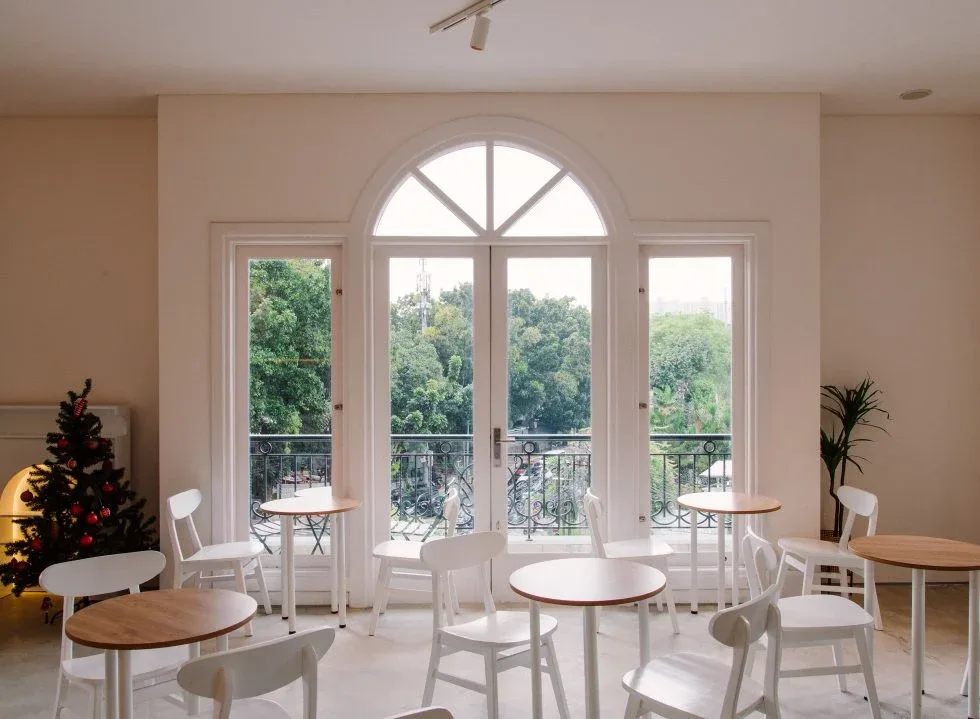
Natural light is a luxury in urban settings, but direct sunlight can be harsh. That’s why we often place large mirrors beside windows in hotel lobbies and café seating areas—especially in high-rise buildings where sunlight streams in at odd angles.

This technique gently bounces daylight into the room, softening its intensity while keeping the space feeling fresh and airy. It works particularly well in tropical-style lounges in South Jakarta, where warm tones and organic textures dominate the palette.

“Cahaya alami memang cantik, tapi pantulan dari cermin membuatnya lebih lembut dan menyenangkan untuk mata.” (Natural light is beautiful, but reflections from mirrors make it gentler and more pleasant on the eyes.)


2. Mirrors Opposite Windows – Brightening Compact Dining Areas

Small dining nooks or breakfast corners in boutique hotels and guesthouses benefit greatly from mirrors placed directly opposite windows. This creates a sense of openness and ensures even distribution of light throughout the day.

We recently applied this strategy in a narrow restaurant space in Menteng, where limited window access made the area feel enclosed. By placing full-length mirrors opposite the few existing windows, we were able to create a much brighter, inviting ambiance.

It’s a simple yet effective trick that aligns perfectly with current Jakarta Interior Design trends—where efficiency meets elegance.


3. Wall-to-Wall Mirrors – Expanding Visual Space in Bars & Lounges

For hospitality venues with limited square footage—like cocktail bars in SCBD or rooftop lounges in Sudirman—wall-to-wall mirrors are a game-changer. These oversized mirrors reflect entire sections of the room, making the space appear larger and more dynamic.

They’re especially useful in minimalist interiors, where clean lines and open views are key. We often pair them with warm LED lighting and curated art to prevent the space from feeling too clinical or cold.


4. Vertical Mirrors – Creating Height Illusions in Narrow Corridors

Tall, vertical mirrors are perfect for elongating ceilings and drawing the eye upward—an ideal solution for narrow corridors in luxury hotels or upscale restaurants in Kelapa Gading.

By stretching the reflection from floor to ceiling, we create an illusion of height that makes these transitional spaces feel less cramped and more elegant. This approach is also great for guiding guests through a venue without making them feel confined.


5. Horizontal Mirrors – Widening Small Reception Areas

Entryways and reception desks in boutique hotels or serviced apartments often suffer from a lack of width. To counteract this, we install horizontal mirrors that stretch across the wall, effectively doubling the perceived width of the space.

This method has worked wonders in compact co-living hotels in Cipete and lifestyle hostels near Kota Tua, where maximizing space is essential but style can’t be compromised.


Final Thoughts: Design That Reflects Emotion

At the heart of Jakarta Interior Design lies a deep understanding of how people interact with space—and mirrors play a quiet but powerful role in that relationship. Whether it’s enhancing light, expanding views, or simply adding a touch of sophistication, their presence can shift the mood of a space in subtle yet meaningful ways.

With over 20 years of experience crafting emotional, people-centric interiors, our firm continues to explore how small details can make big differences—especially in hospitality environments where comfort and connection matter most.

If you’re designing a hotel, café, or lounge in Jakarta and want to create a space that feels expansive, welcoming, and emotionally engaging, let us help bring your vision to life—with creativity, care, and a thoughtful reflection of your brand.

Let’s build more than beautiful spaces—let’s build memorable experiences.


Award Winning Interior Design

Follow us on social media, we post good stuff

Linkedin, Facebook, Instagram, Youtube, Whatsapp

Share
go top