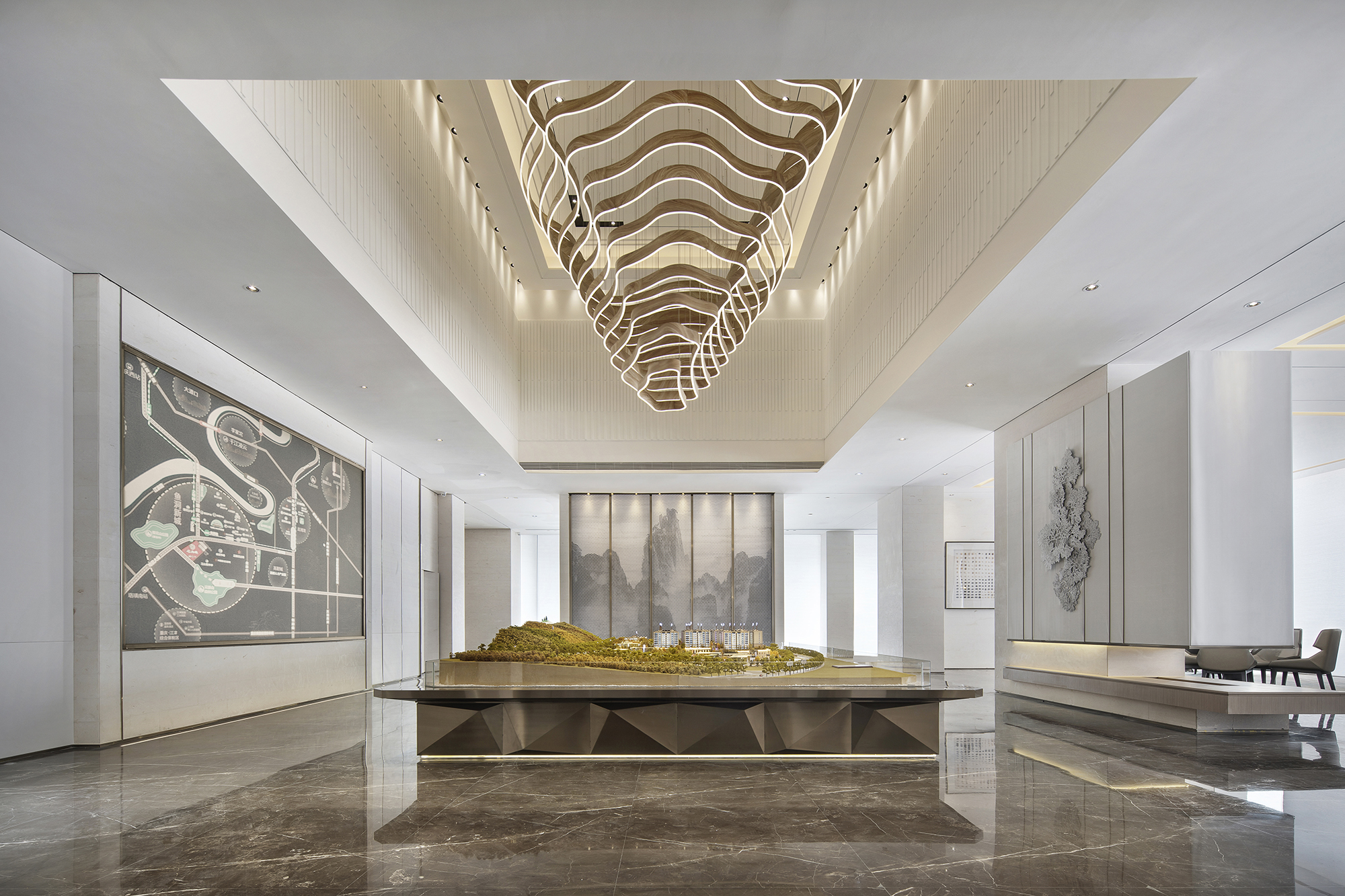
Jakarta Office Interior Design | Fitout, Building & Construction for Experiential Workplaces
Jakarta is a city in motion—dinamis, cepat, penuh peluang. As Indonesia’s economic powerhouse, it hosts a diverse mix of industries, from finance and technology to logistics, creative agencies, and multinational headquarters. The city’s key business districts—Sudirman, SCBD, Kuningan, and Thamrin—are defined by high-density office towers, evolving infrastructure, and an increasingly competitive talent market.Office Interior Design Jakarta
In this landscape, the workplace is no longer just a place to work. It is a strategic tool for attracting talent, strengthening culture, and driving performance. Today, Jakarta Office Interior Design must respond to hybrid work patterns, flexible office models, and a growing desire for environments that feel human, connected, and inspiring.
Understanding Jakarta’s Evolving Workplace Landscape
Jakarta’s office market is undergoing a subtle but important transformation. While traditional corporate offices remain dominant, there is a rising demand for:
- Flexible workspaces and co-working environments
- Hybrid-ready offices that support both remote and in-person collaboration
- People-centric environments that prioritize comfort, wellbeing, and interaction
Work culture in Jakarta blends formality with strong interpersonal relationships—hubungan kerja itu penting. This means office design must go beyond efficiency to actively support connection, trust-building, and team cohesion.
At the same time, tropical climate conditions introduce unique design considerations: heat, humidity, and natural light must be carefully managed to ensure comfort and sustainability.
Beyond Layouts: A Holistic Design & Build Approach
Modern office design is no longer about desks and meeting rooms. It is about creating a seamless ecosystem where design, fitout, and construction work together as one integrated process.
At our firm, we approach Jakarta Office Interior Design as a complete journey—one that begins with workplace strategy and ends with a fully realized, high-performing environment. By aligning spatial design with business goals, we ensure that every square meter serves a purpose.
This integrated model allows for:
- Greater cost and time efficiency
- Stronger design consistency from concept to completion
- Better alignment between aesthetics, functionality, and technical execution
The result is not just an office—but an experience.
Designing for Human Connection
A key question we always ask is: Does this workplace truly support meaningful human interaction?
In Jakarta’s relationship-driven work culture, the answer to this question defines the success of a space.
Experiential workplaces are built through layered design strategies that encourage movement, interaction, and choice:
Activity-Based Working (ABW)
Rather than assigning fixed desks, ABW allows employees to choose spaces that match their tasks—focus work, collaboration, or informal discussions.
Collaborative Zones
Open, flexible areas designed for teamwork, brainstorming, and idea exchange—essential in fast-paced industries like tech and media.
Focus Areas
Quiet zones that provide privacy and concentration, balancing the energy of open-plan environments.
Social Hubs
Pantries, lounges, and café-style spaces where spontaneous interactions happen—ngobrol santai tapi produktif.
Informal Spaces
Soft seating areas, breakout corners, and transitional zones that encourage casual conversations and creative thinking.
These layers work together to create a workplace that feels alive—constantly adapting to the needs of its people.
From Concept to Completion: The Design & Build Process
Delivering a successful office requires more than creativity—it demands precision, coordination, and technical expertise.
Our firm follows a structured yet flexible process:
1. Workplace Strategy & Concept Development
We begin by understanding the organization—its culture, workflows, and aspirations. This informs a design concept that reflects both brand identity and operational needs.
2. Spatial Planning & Technical Design
Detailed layouts are developed to optimize:
- Space efficiency
- Circulation flow
- Functional zoning
At this stage, we also integrate engineering systems, ensuring that design and performance go hand in hand.
3. Material & System Selection
Materials are chosen for durability, aesthetics, and environmental performance—critical in Jakarta’s climate. Lighting, acoustics, and ergonomics are carefully calibrated to enhance comfort and productivity.
4. Construction & Fitout Execution
Precision in construction is key. Our integrated approach ensures that every detail—from joinery to mechanical systems—is executed to the highest standard.
5. Final Delivery & Optimization
The space is delivered ready for use, with flexibility built in to support future changes.
Creating Depth Through Multi-Layered Design
Great workplaces are not flat—they are layered, dynamic, and immersive.
Multi-layered design introduces depth through:
- Spatial Zoning: Clear yet fluid transitions between different work modes
- Material Contrast: Combining textures and finishes to create visual interest
- Lighting Layers: Ambient, task, and accent lighting that shape mood and function
- Visual Connectivity: Open sightlines that foster transparency and connection
In Jakarta, where office towers often have limited footprints, these layers help maximize both physical and experiential space.
Wellness, Sustainability, and the Tropical Context
Employee wellbeing is no longer optional—it is central to performance.
In Jakarta, this means designing with the environment in mind:
- Biophilic Elements: Incorporating greenery and natural materials to create a sense of calm
- Daylight Optimization: Managing sunlight to reduce glare while enhancing mood
- Thermal Comfort: Efficient cooling systems that respond to humidity and heat
- Acoustic Control: Minimizing noise in high-density office settings
Sustainable materials and energy-efficient systems are also critical, supporting both environmental goals and long-term cost savings.
Aligning Design with Brand and Culture
An office is a physical expression of a company’s identity.
Whether it’s a fintech startup in SCBD or a multinational in Kuningan, the workspace should reflect:
- Brand values
- Organizational culture
- Business ambitions
This alignment creates a sense of belonging—rasa memiliki—that strengthens employee engagement and loyalty.
Measuring the Impact of Great Design
When thoughtfully executed, office design delivers measurable results:
- Improved collaboration and communication
- Higher employee satisfaction and retention
- Stronger brand perception among clients and talent
- More efficient use of space and resources
In a competitive market like Jakarta, these outcomes are not just beneficial—they are essential.
Redefining the Workplace in Jakarta
The future of work in Jakarta is not about returning to the office—it is about reimagining it.
Jakarta Office Interior Design must evolve to support flexibility, foster connection, and create meaningful experiences. It must respond to the city’s energy while addressing its unique challenges.
At our firm, we believe that the workplace is more than a physical environment. It is a platform—a place where people come together to connect, collaborate, and perform at their best.
By combining design, fitout, and construction into a seamless process, we deliver workplaces that are not only functional but transformative.
Because in Jakarta, where business moves fast and relationships matter deeply, the right workplace doesn’t just support work—it brings people closer together.
Connect with us in


