
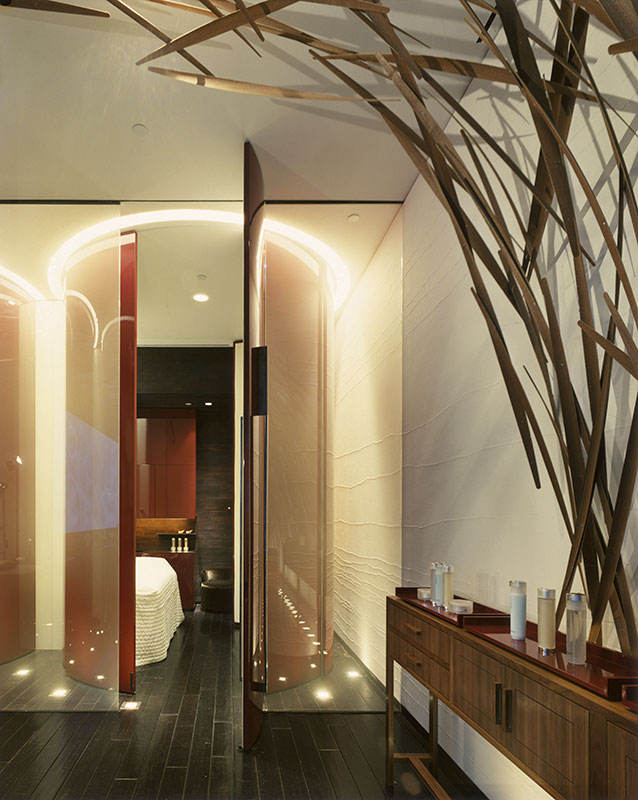
Interior Design in Jakarta: Commercial & Residential Innovation
Jakarta is not a city that can be designed for casually.
It is a megacity shaped by density, economic velocity, social diversity, and climate intensity—where interior design must function as strategy, not decoration.
As Indonesia’s economic engine, Jakarta hosts regional headquarters, financial institutions, lifestyle destinations, hospitality brands, and a rapidly evolving residential market. In this environment, interior design plays a critical role in performance, identity, efficiency, and long-term value—across both commercial and residential sectors.
This article explores unique interior design ideas that transform commercial and residential spaces in Jakarta, grounded in real urban conditions, market logic, and cultural behaviour—through the lens of a professional interior design company Jakarta operating with contextual intelligence.
Understanding How Jakarta Lives, Works, and Experiences Space
Jakarta’s urban fabric is defined by extreme density, mixed-use development, and socio-economic layering. Business districts such as SCBD, Sudirman, Kuningan, and Thamrin concentrate corporate life vertically, while residential typologies range from compact apartments to gated landed homes and luxury villas in South Jakarta.
Key contextual drivers shaping interior design in Jakarta include:
-
Economic landscape: Finance, tech, FMCG, hospitality, and retail drive demand for high-performance commercial interiors
-
Commercial real estate trends: Vertical offices, integrated developments, flexible workplaces
-
Lifestyle culture: Strong dining-out culture, mall-centric socialising, hospitality-led experiences
-
Residential density: Apartments dominate central zones; landed homes and villas in suburban belts
-
Climate reality: Tropical heat, humidity, heavy rainfall requiring ventilation-first design
-
Cultural behaviour: Communal living, hospitality-driven homes, hierarchy in workspaces
Interior design in Jakarta must therefore balance efficiency, comfort, climate logic, and cultural relevance—not imported aesthetics.
Designing Hotels that Reflect the Identity of Jakarta
Hospitality design in Jakarta operates in a competitive landscape driven by business travel, regional tourism, and lifestyle-driven stay experiences.
High-performing hotel interiors in Jakarta focus on:
-
Guest journey mapping: Seamless transitions from arrival to private retreat
-
Climate-responsive interiors: Cross-ventilation strategies, breathable materials, layered shading
-
Cultural storytelling: Abstract interpretation of Indonesian craft, batik geometry, and local textures
-
Operational efficiency: Back-of-house optimisation critical in high-occupancy environments
-
Brand differentiation: Avoiding generic luxury in favour of place-specific identity
Hotel interior design Jakarta is no longer about visual impact alone—it is about memory creation, comfort management, and operational resilience.
High-Performance Workplace Design in Jakarta
Jakarta’s office culture is evolving rapidly. Hybrid work, talent competition, and rising real estate costs demand workplaces that justify physical presence.
Effective office interior design in Jakarta responds to:
-
Hybrid work models: Activity-based work zones rather than static desk layouts
-
Productivity optimisation: Reduced circulation loss in high-density floor plates
-
Employee wellbeing: Acoustic control, biophilic elements, daylight access
-
ESG alignment: Energy efficiency, sustainable materials, indoor air quality
-
Technology integration: Smart meeting rooms, occupancy analytics
Workplaces are increasingly seen as performance ecosystems, not administrative containers.
Creating Social Destinations Through Restaurant & Club House Design
Jakarta’s dining and nightlife culture is deeply competitive and socially driven. Restaurants, cafés, and club houses succeed when they become destinations, not just venues.
Design strategies that matter include:
-
Atmospheric zoning: Differentiating arrival, dining, social, and private areas
-
Acoustic intelligence: Managing noise in high-energy environments
-
Lighting as narrative: Day-to-night transition, mood programming
-
Brand storytelling: Spatial identity aligned with menu and audience
-
Social visibility: Instagrammable moments without compromising comfort
Restaurant interior design Jakarta must drive repeat visits, dwell time, and brand recall—not trend imitation.
Designing Homes that Respond to the Way Jakarta Lives
Residential design in Jakarta must accommodate multi-generational living, domestic help circulation, privacy layering, and climate adaptability.
Key considerations include:
-
Apartment interiors: Efficient layouts, integrated storage, visual openness
-
Landed houses: Zoning between public, family, and private areas
-
Villas & bungalows: Indoor–outdoor continuity, passive cooling strategies
-
Lifestyle zoning: Work-from-home integration without spatial conflict
-
Smart home adoption: Climate control, security, lighting automation
Residential interior design Jakarta succeeds when it balances comfort, hierarchy, and long-term adaptability.
Unique Interior Design Ideas We Implement
Design innovation in Jakarta must be contextually intelligent, not stylistic.
Key ideas applied across commercial and residential projects include:
-
Biophilic integration: Living walls, courtyards, breathable materials
-
Adaptive layouts: Spaces that reconfigure over time
-
Layered lighting systems: Task, ambient, and architectural lighting
-
Material contrast strategy: Natural vs engineered surfaces
-
Cultural-modern fusion: Contemporary forms with Indonesian spatial logic
-
Sustainable materials: Locally sourced stone, wood alternatives
-
Technology-enhanced spaces: Smart controls without visual clutter
Each idea responds to climate, culture, density, and usage behaviour.
Why Interior Design in Jakarta Requires Local Intelligence
Jakarta demands more than design talent—it demands context mastery.
Local intelligence includes:
-
Understanding regulatory constraints and approvals
-
Navigating supply chains and construction sequencing
-
Managing humidity, maintenance, and material ageing
-
Reading commercial market dynamics
-
Respecting cultural norms and spatial hierarchy
A strategic interior design company Jakarta operates as an urban interpreter, not just a designer.
Our Design Approach
Our firm follows a structured, decision-driven methodology:
-
Urban & Site Analysis – Context, climate, behaviour
-
Concept & Spatial Strategy – Function-first planning
-
Visualisation & Detailing – Precision and clarity
-
Technical Coordination – Buildability and compliance
-
Execution & Control – Quality, timeline, risk
-
Final Styling & Handover – Performance validation
Design decisions are evaluated against functionality, longevity, and value creation.
Transform Your Commercial or Residential Space in Jakarta
Whether designing a hotel, office, restaurant, or home, transformation in Jakarta requires strategic spatial thinking grounded in local reality.
Interior design here is not about following trends—it is about shaping environments that perform, endure, and resonate within one of Southeast Asia’s most complex urban contexts.
Connect with us in