
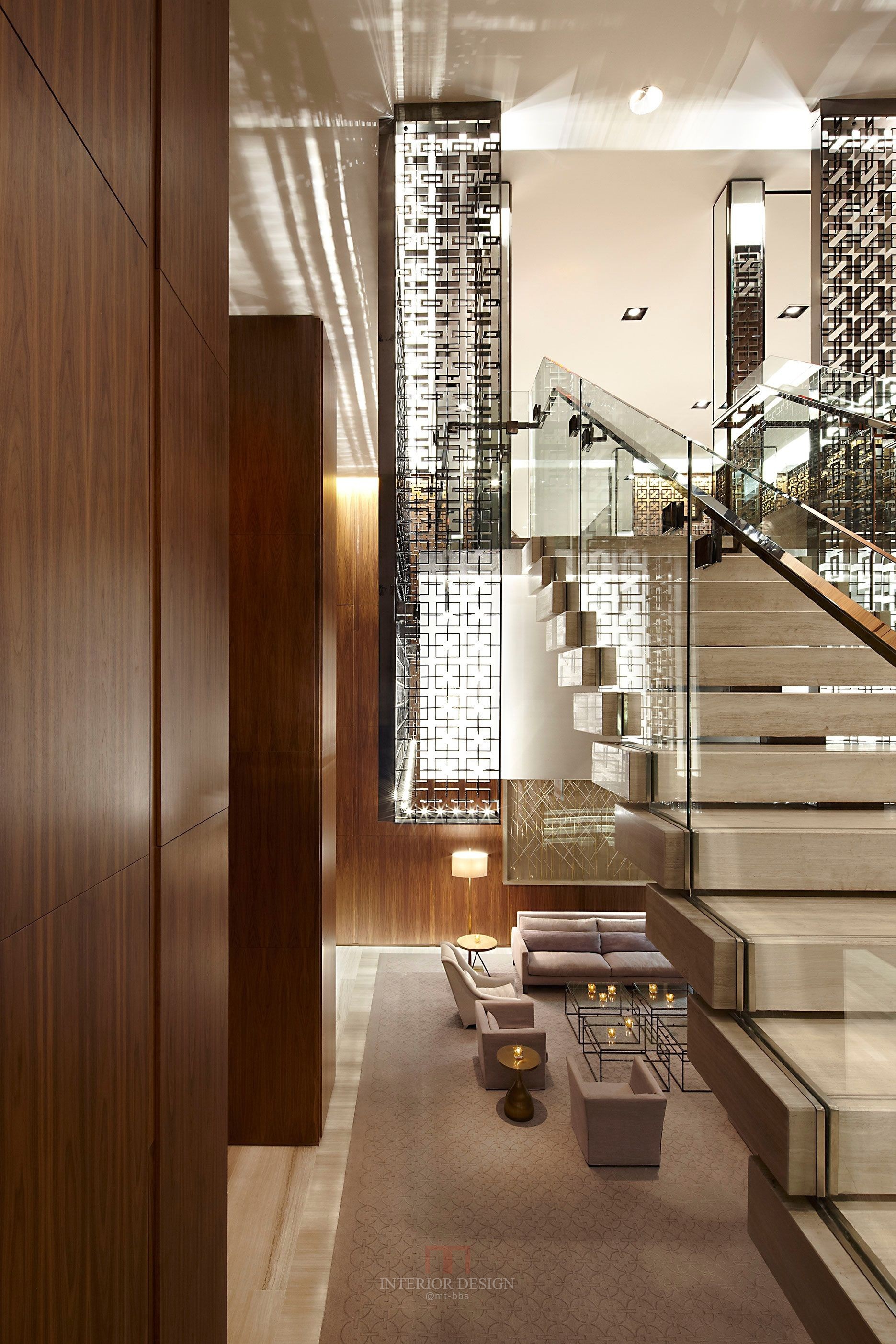
Interior Design Jakarta | Designing Iconic Hospitality Experiences
Jakarta is a city of movement—fast-paced, layered, and culturally rich. As Indonesia’s economic powerhouse, it attracts a constant flow of business travelers, international visitors, and lifestyle-driven guests. From the luxury corridors of SCBD (Sudirman Central Business District) to the vibrant energy of Kuningan and Thamrin, hospitality spaces are evolving rapidly to meet rising expectations.Interior Design Jakarta
In this competitive landscape, interior design Jakarta is no longer just about creating beautiful hotels—it is about designing experiences that guests remember, share, and return to. As a professional hospitality designer, our firm approaches every project with a clear belief: iconic hotel environments are built through strategy, storytelling, and human connection.
Understanding Jakarta’s Hospitality Landscape
Jakarta’s hotel market is shaped by a unique combination of factors:
- Strong business travel demand driven by finance, tech, and government sectors
- Growing lifestyle hospitality trends, with boutique and design-led hotels emerging
- High competition among international brands and local operators
- Tropical climate, influencing spatial comfort and material durability
- Cultural diversity, offering rich inspiration for design storytelling
Guests in Jakarta expect more than efficiency—they seek spaces that feel berkelas (refined), nyaman (comfortable), and emotionally engaging. This expectation challenges designers to go beyond surface aesthetics and create environments that resonate deeply.
Beyond Aesthetics: The Foundation of Iconic Hotel Design
Creating a memorable hotel begins with a strong conceptual foundation. Design must align with:
- Brand identity
- Target audience
- Local cultural context
An iconic hotel is not defined by decoration, but by clarity of vision. Every design decision—from spatial layout to material selection—should reinforce a cohesive narrative.
In interior design Jakarta, this often means blending modern global aesthetics with local Indonesian elements, creating a balance between international sophistication and cultural authenticity.
Designing the Guest Journey: From Arrival to Departure
A hotel experience is a sequence of moments. Each touchpoint shapes how guests perceive the brand.
Arrival & Entrance Experience
The first impression sets the emotional tone. A well-designed entrance creates anticipation—through scale, lighting, and architectural presence.
Lobby & Reception Flow
The lobby is the heart of the hotel. It must function as both a social hub and a transitional space, balancing openness with efficiency. Clear reception flow ensures guests feel welcomed, not overwhelmed.
Circulation & Spatial Flow
Intuitive navigation is essential. Guests should move effortlessly between spaces—tanpa bingung (without confusion). Good circulation design enhances comfort and operational efficiency.
Guest Rooms
Private spaces must offer a sense of retreat. In Jakarta, this means combining urban luxury with calm, climate-responsive comfort—soft lighting, layered textures, and thoughtful layouts.
Dining & Social Spaces
Restaurants, lounges, and bars are where hotels come alive. These spaces should feel vibrant, inviting, and distinctive—encouraging guests to linger and connect.
By mapping the entire journey, interior design Jakarta transforms hotels into seamless, immersive experiences.
Key Design Considerations for Hospitality Excellence
Lighting Strategy
Lighting defines atmosphere. Layered lighting—ambient, task, and accent—creates depth and mood while adapting to different times of day.
Material Selection & Tactile Experience
Materials must balance luxury, durability, and climate suitability. Natural stone, timber, and textured fabrics create richness while withstanding Jakarta’s humidity.
Acoustic Comfort
A truly luxurious space is not just seen—it is felt. Controlling noise levels enhances relaxation, especially in busy urban environments.
Furniture Ergonomics
Comfort is key. Seating, bedding, and workspaces must support both leisure and productivity, reflecting the needs of modern travelers.
Sensory Design
Scent, sound, and texture contribute to emotional connection. A subtle signature fragrance or curated music can elevate the entire experience.
Together, these elements create spaces that feel complete, immersive, and human-centered.
Creating Signature Moments That Define a Hotel
In today’s digital world, memorable design often translates into shareable experiences.
Iconic hotels incorporate:
- Statement features such as sculptural staircases or art installations
- Focal points that draw attention and anchor the space
- Instagrammable corners that encourage organic social sharing
These elements not only enhance guest experience but also amplify brand visibility and marketing reach—a powerful advantage in Jakarta’s competitive market.
Balancing Creativity with Operational Performance
While creativity drives differentiation, functionality ensures long-term success.
Design must consider:
- Durability of materials for high-traffic areas
- Ease of maintenance to reduce operational costs
- Efficient staff workflow for seamless service
- Back-of-house planning to support daily operations
A well-designed hotel works effortlessly behind the scenes—rapi dan efisien—allowing guests to enjoy a flawless experience.
Integrating Technology and Flexibility
Modern hospitality design embraces technology and adaptability:
- Smart room controls for lighting and temperature
- Digital check-in and seamless guest interfaces
- Flexible spaces that adapt to events, work, or leisure
In Jakarta, where business and lifestyle often overlap, hotels must accommodate hybrid experiences—from meetings to social gatherings—within a single environment.
Embedding Local Identity into Global Design
Authenticity is what makes a hotel truly memorable.
In Jakarta, this means integrating:
- Local materials and craftsmanship
- Cultural motifs and art
- Design elements inspired by Indonesian heritage
This approach creates a sense of place—rasa lokal yang kuat—while maintaining international standards of luxury.
Guests don’t just stay in a hotel—they experience Jakarta through it.
Connecting Design to Business Outcomes
Strategic design delivers measurable results:
- Higher guest satisfaction through comfort and experience
- Stronger brand positioning in a competitive market
- Increased occupancy rates driven by memorable environments
- Greater guest loyalty and repeat visits
By aligning design with business goals, interior design Jakarta becomes a powerful tool for long-term value creation.
Conclusion: Designing Hotels That Stay in Memory
In Jakarta’s dynamic hospitality scene, standing out requires more than visual appeal—it demands thoughtful, strategic design that connects with people on a deeper level.
Interior design Jakarta is about shaping experiences—from the first step into the lobby to the final רגע of departure. It is about creating spaces that feel intuitive, inspiring, and unforgettable.
Our firm acts as a strategic hospitality design partner, delivering end-to-end solutions—from concept and spatial planning to execution and final styling. We transform hotels into iconic destinations, tailored to the rhythm, culture, and expectations of Jakarta.
Because the most successful hotels are not just visited—
they are remembered, shared, and experienced long after the stay ends.
Connect with us in